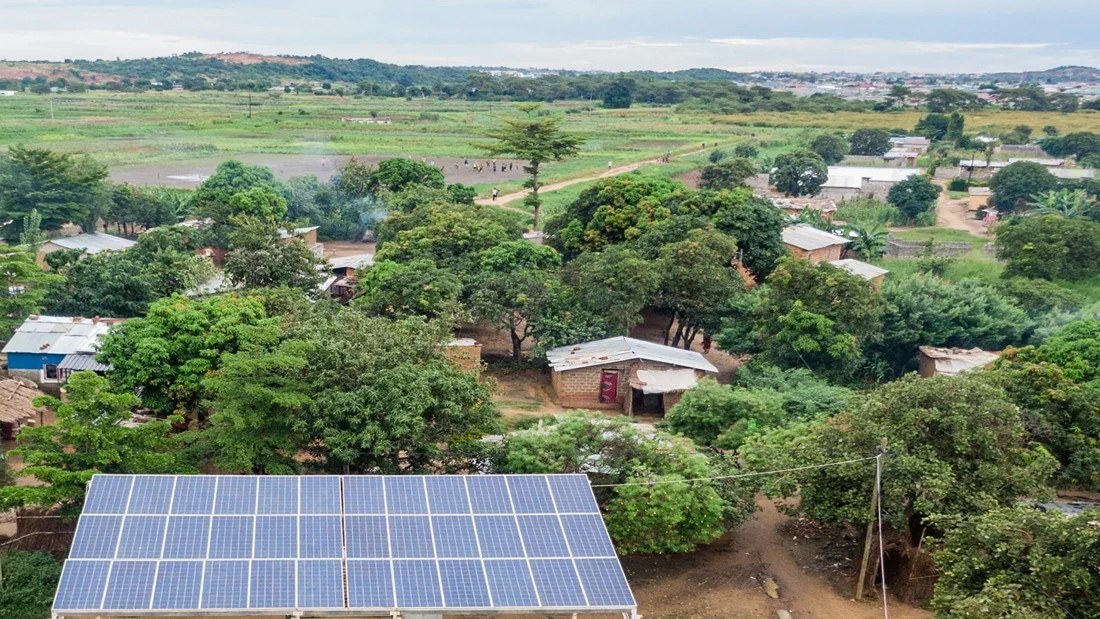
The rapid adoption of small solar home systems (SHSs) in rural Zambia, a development heralded for transforming daily life with light and power for essential devices, has inadvertently created a significant environmental and economic paradox. While over a million solar devices were sold between 2018 and 2022, offering benefits like extended study hours for children and charged phones, the lack of government subsidies and affordable credit has placed the financial burden squarely on rural households, forcing them to adopt destructive income-generating practices. New research focusing on five regions—Mkushi, Kapiri, Mposhi, Chongwe, and Luano—which collectively host around 700,000 people with minimal access to the national grid, confirms that the financing mechanism for clean energy is driving increased deforestation.
The study reveals that over 85% of participants are funding their solar purchases, typically through one-to-three-year installment plans, by exploiting forest resources. This income generation primarily involves selling charcoal, timber, honey, and other forest products. The reliance on this “nature’s bank” is intensifying the loss of the Miombo woodlands, which are rich in biodiversity and serve as a crucial buffer against climate shocks. Interviews confirmed that the need to generate regular monthly income to prevent the solar systems from locking due to missed payments is pushing community members, including traditional sustainable harvesters, into destructive practices like cutting down fruit and medicinal trees, stripping bark, and clearing woodland for expanded small farms.
This crisis is fundamentally a policy and financing failure, not a technological one. The “pay-as-you-go” models, while innovative for access, impose a rigid payment structure that does not align with the often seasonal or unpredictable income cycles of rural communities. Energy expansion programs have neglected to coordinate with forest conservation efforts, resulting in a systemic gap where solar vendors focus purely on market growth while conservationists promote tree planting, leaving communities caught between the two conflicting goals. Compounding the issue is the role of local officials and traditional leaders who are often involved in the charcoal trade, further eroding accountability for sustainable forest management.
Addressing this paradox requires immediate intervention focused on inclusive and flexible financing models. Global climate summits, such as the upcoming COP30, must prioritize targeted solar subsidies, microcredit schemes, and community energy initiatives that are tailored to the realities of rural income. Such support is crucial to ensure that the adoption of clean energy does not necessitate environmentally damaging financing methods. Simultaneously, the Zambian government’s energy and environment ministries must urgently co-ordinate policy to ensure that solar expansion does not come at the cost of the nation’s forests. Sustainable development must be evaluated not just by the cleanliness of the technology deployed, but by the financial and environmental sustainability of its acquisition and long-term maintenance.