Modern farm machinery can transform productivity but its value ultimately depends on the people who operate, maintain and adapt it. That skills requirement took centre stage in Lusaka as Zambia strengthened technical capacity in agricultural mechanisation through a China-supported training programme.
The programme brought together 40 officials and technicians from the Ministry of Fisheries and Livestock and the Ministry of Agriculture for specialised training focused on modern agricultural machinery and technologies. Organised by CAMCO College, part of CAMCO Group, in collaboration with the Chinese Academy of Agricultural Mechanization Sciences (CAAMS), the training formed part of ongoing technical cooperation between Zambia and China.
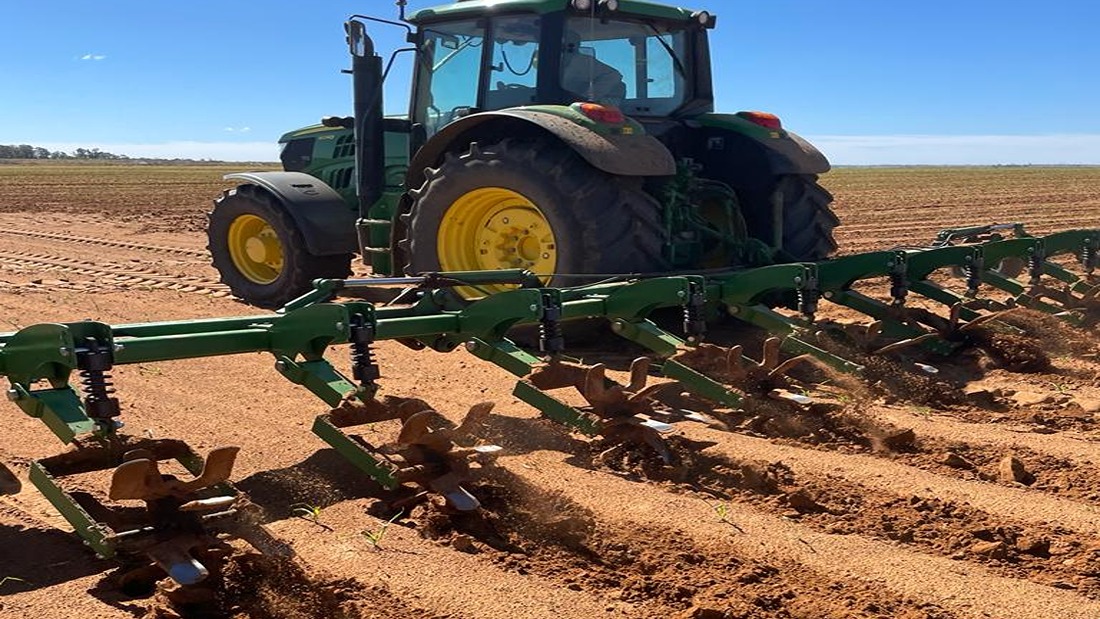
Participants were exposed to a range of technologies aimed at improving agricultural efficiency, including high-efficiency irrigation, conservation tillage, new energy applications and post-harvest technologies. The training also highlighted the growing importance of technical knowledge as Zambia seeks to expand mechanisation across its agricultural sector. While access to machinery remains critical, the ability to operate, maintain and apply equipment effectively is equally important to ensuring that mechanisation delivers lasting value on farms.
Speaking during the programme, Chinese Embassy Counsellor Jin Jun said the initiative was aligned with outcomes from bilateral cooperation and the Forum on China-Africa Cooperation (FOCAC). The programme builds on wider skills development efforts, with Jin noting that nearly 400 Zambians participated in various training programmes supported by China in 2025.
The Permanent Secretary at the Ministry of Fisheries and Livestock, Max Choombe,welcomed the training, highlighting the value of strengthening technical capabilities within Zambia’s agricultural institutions. In addition, the Project Manager at the International Cooperation Centre of CAAMS, Wang Yubo,described the programme as part of practical cooperation aimed at sharing agricultural mechanisation expertise and experience.
CAMCO Group Chairman Li Tie noted that the training underscored a broader lesson for countries investing in agricultural technology as machinery alone cannot deliver the desired transformation without the technical expertise required to use it effectively. The focus on skills comes as Zambia continues to pursue greater mechanisation and productivity in agriculture, placing human capacity alongside equipment and technology in the country’s efforts to modernise farming.
The programme therefore provided more than technical exposure for participating officials and technicians. It strengthened the knowledge base needed to support the deployment and effective use of agricultural machinery, while deepening practical cooperation between Zambian and Chinese institutions.