Record harvests are putting Zambia’s agricultural ambitions into sharper focus, with the next phase of growth set to depend on how effectively the country can finance farmers, infrastructure, productivity and market access. With agriculture targeted to become a major engine of economic growth by 2030, attention is increasingly turning to how the sector will be financed, particularly as the Government seeks to reduce farmers’ reliance on input subsidies and encourage more sustainable forms of agricultural financing.
A key proposal is to expand the Sustainable Agriculture Financing Facility (SAFF), providing farmers with greater access to financing while gradually shifting support away from the Farmer Input Support Programme (FISP). The financing question is becoming more pressing as Zambia sets ambitious production targets for the next decade. By 2030/2031, maize production is targeted to reach 10 million tonnes, while productivity is expected to rise from historical averages of about 1.7 tonnes per hectare to eight tonnes per hectare.
Wheat production is targeted at one million tonnes and soya bean production at three million tonnes, alongside efforts to double rice production under the Coalition for African Rice Development (CARD) Phase II framework. Achieving those targets will require investment well beyond seasonal inputs. Irrigation, research, extension services, storage, mechanisation, human resource development and market infrastructure will all be critical to raising productivity and reducing the risks faced by producers.
The Presidential Irrigation Initiative, for instance, aims to bring 500,000 hectares under irrigation, while the Government has also set a target of reducing post-harvest losses to below 15%. The scale of the transformation is reflected in Zambia’s second National Agriculture Investment Plan (NAIP II), a US$5.7 billion, 10 year framework running from 2024 to 2033. Through the Comprehensive Agriculture Transformation Support Programme (CATSP), the plan positions agriculture alongside mining as a primary driver of national economic growth.
The sector has already shown its capacity to deliver stronger output. Zambia recorded a record maize harvest of 4,937,605 tonnes during the 2025/2026 season, generating a national food surplus of more than 500,000 tonnes. Growth has also been recorded across alternative value chains, including soya, rice and wheat, helping lift agriculture’s contribution to real GDP back above 4%.
The performance provides a stronger platform for diversification, although converting higher production into sustained agricultural growth will depend heavily on access to finance and reliable markets. Under FISP, more than 1,024,434 small-scale farmers accessed inputs through the direct supply and e-voucher modalities. SAFF, meanwhile, has expanded beyond crop production to include livestock, poultry and beef.
Expanding SAFF could give more farmers access to financing suited to productive investment while supporting the transition towards a more business-oriented agricultural sector. That transition will also require stronger technical support. Greater investment in agricultural extension officers could help small-scale farmers adopt improved production techniques, identify commercially viable value chains and understand market opportunities.
Similar capacity gaps remain across fisheries and livestock, while farmers’ training institutes and agricultural research stations require investment in personnel, equipment and infrastructure to strengthen their contribution to productivity and innovation. Market access remains another critical piece of the equation. Small-scale farmers often lack the scale and capacity to reach export markets directly, creating scope for stronger aggregation and market-linkage mechanisms.
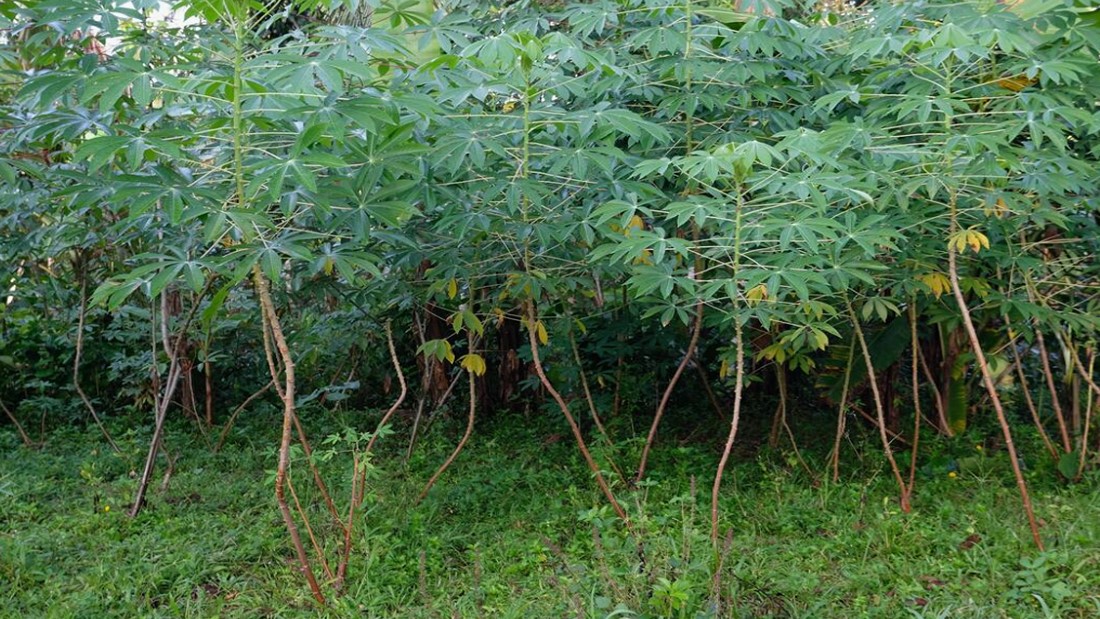
The Food Reserve Agency could also play a broader role by purchasing a wider range of crops, including soya beans and cassava, helping create predictable markets and encouraging farmers to diversify beyond maize. Storage capacity will become increasingly important as production rises. Investment in facilities capable of handling maize, wheat, soya beans and other commodities will be necessary to limit post-harvest losses and preserve the value of larger harvests.
The push to expand local fertiliser production could also ease one of the sector’s major cost pressures. The resuscitation of Nitrogen Chemicals of Zambia (NCZ), alongside partnerships with private input manufacturers, is expected to help reduce reliance on imports and improve access to fertiliser.
The country’s agricultural ambitions to move from production targets to sustained economic returns, financing will have to extend across the entire value chain. The emerging policy direction points towards a model in which farmers have greater access to productive finance, infrastructure, technical knowledge and markets, allowing agriculture to develop beyond dependence on annual input support and towards a more commercially driven growth sector.