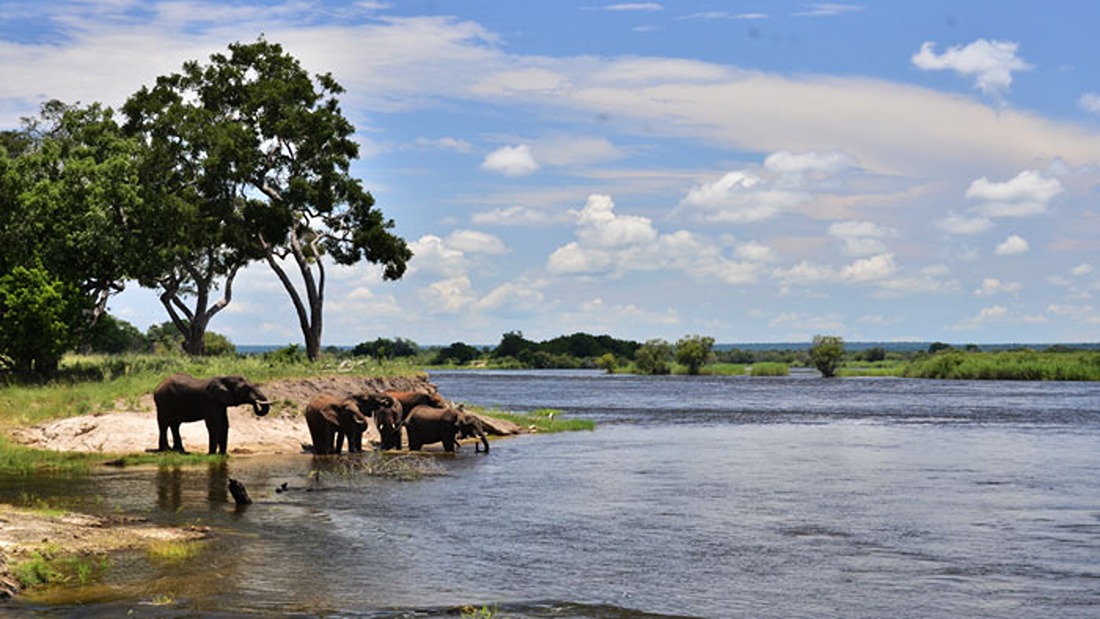
Water is becoming the resource that defines the next chapter of African geopolitics and southern Africa is already living the early consequences of a contest that experts warn could turn increasingly violent by mid-century. At the centre of the region’s tensions is the Zambezi River, a shared lifeline whose allocation is generating disputes that cut across borders, development ambitions and historical grievances.
Zimbabwe is constructing the Gwayi-Shangani reservoir to secure water for Bulawayo and irrigate a 10,000-hectare greenbelt, drawing from the Zambezi and stopping the Gwayi River from discharging into it. Zambia, which controls approximately 42% of the Zambezi basin, has opposed the plan since the Zambezi Watercourse Commission’s formation in 2004 and has refused to sign its governing agreement. The standoff is emblematic of a continent-wide pattern: 63 major river basins, each a potential flashpoint.
The numbers behind the trend are sobering. Water-related conflicts in Sub-Saharan Africa reached 76 recorded incidents in 2024, up from 56 in 2023 and 44 in 2022, according to a 2025 Pacific Institute report. Experts project these could reach 1,000 annually by 2050 if access is poorly managed. The Zambezi River itself is expected to lose up to 40% of its water by 2050, whilst Africa’s arid and semiarid regions could expand by 5–8% by 2100.
The disputes multiply the further you look. Botswana and Namibia, each holding just 1% of the Zambezi basin are pursuing water diversion plans that Zambia and Zimbabwe oppose, with South Africa seeking to join a southward diversion that would affect Victoria Falls and shared power generation at Lake Kariba and Cahora Bassa. Namibia’s plans to withdraw from the Okavango River threaten water flows into the Okavango Delta, Botswana’s premier tourist attraction. Meanwhile, Ethiopia’s Grand Ethiopian Renaissance Dam, inaugurated in 2025 as the continent’s largest hydropower project continues to unsettle Egypt and Sudan, with no binding agreement reached despite negotiations dating back to 2011.
Zambia itself is not without contradiction. Whilst opposing upstream withdrawals on the Zambezi, it has engaged a Chinese company to divert Luapula River water southward to the Kafue River to secure hydropower supply, a project that touches the Congo River’s source and draws objections of its own. The African Alliance of Disaster Research Institutes’ Chairperson, Desmond Manatsa, said the stakes are existential. He said, “Water is the lifeblood of African economies, particularly given our heavy reliance on rain-fed agriculture. When weather patterns shift, the resulting water scarcity creates a zero-sum competition for dwindling resources.” The United Nations University’s Nidhi Nagabhatla added that her research has established clear links between changing weather, water stress and conflict escalation. Some studies suggest a potential increase of more than 50% in armed conflict risk in Sub-Saharan Africa by 2030, linked to weather-related resource scarcity.
The path forward, Manatsa argues, runs through governance. “In regions with weak institutional frameworks, water scarcity is far more likely to lead to violence,”concluded Manatsa. That is both a warning and a roadmap and the window for acting on it is narrowing.