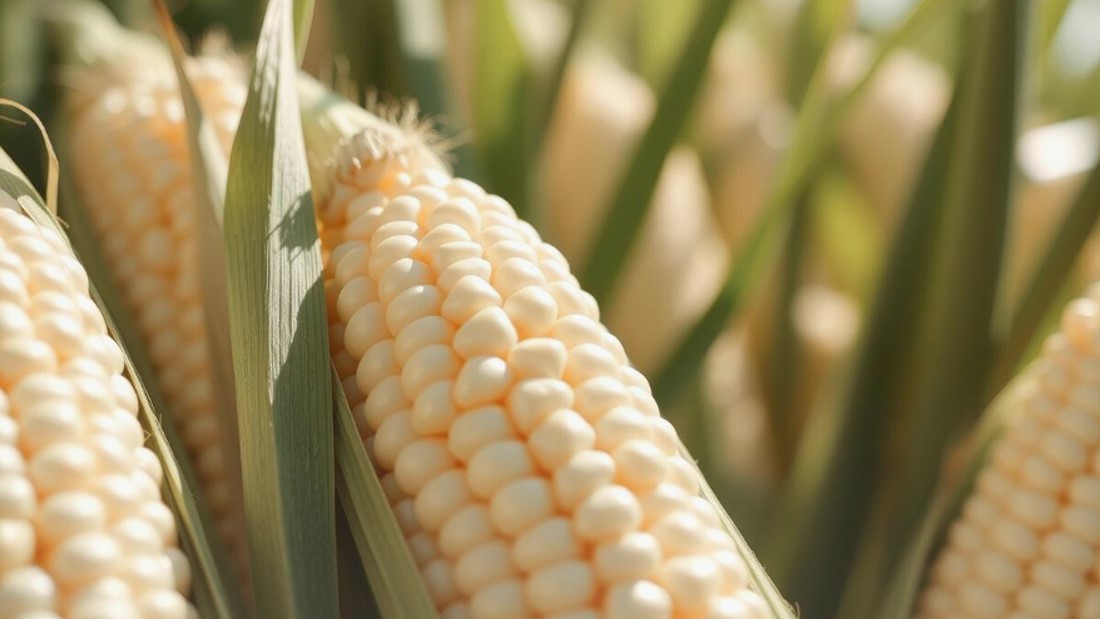
In a landmark move for regional trade, Kenya and Zambia have joined forces to tackle food security head-on. The two nations sealed a massive deal that will see up to 540,000 metric tonnes of Zambian maize make its way to Kenyan shores, marking a major leap forward for cross-border commerce under the umbrella of African economic integration.
The historic agreement was formalized at the Cabinet Office in Lusaka, where Zambia’s Food Reserve Agency and a private Kenyan firm shook hands on the lucrative supply chain. To ensure a steady flow of produce without overwhelming logistics, the country will supply high-grade, non-GMO white maize split across six structured shipments over the coming months.
Unpacking the logistics of the shipment, Siazongo Siakalenge, Zambia’s Deputy Secretary to the Cabinet for Finance and Economic Development, outlined the precise rollout plan:
“Five batches will each comprise 100,000 tonnes and will be delivered every three months, while the final shipment will contain 40,000 tonnes.”
The trade deal comes at a pivotal moment for both nations. Zambia is riding high on a agricultural boom, having harvested a record-breaking 5.1 million tonnes of maize in its previous season. Under its ambitious “Grow Zambia” initiative, the nation aims to nearly double that output to 10 million metric tonnes annually. The strategy relies heavily on local entrepreneurs capitalizing on these golden yields.
Challenging domestic traders to look beyond their own borders, Siakalenge urged the business community to “take advantage of the country’s surplus maize production by identifying export markets and expanding the reach of locally produced grain.”
Meanwhile, Kenya is aggressively diversifying its supply chain to guarantee steady, affordable maize flour for its citizens. While Nairobi has also been looking to neighboring Uganda to meet its demands, quality control remains a sticking point. Addressing a delegation from Uganda’s Parliamentary Committee on Agriculture, Kenya’s Agriculture Cabinet Secretary Mutahi Kagwe welcomed expanded trade under the African Continental Free Trade Area (AfCFTA) but emphasized that safety cannot be compromised.
Highlighting ongoing concerns over dangerous aflatoxin levels in incoming cross-border shipments, Kagwe called for stricter post-harvest handling:
“Stronger mechanisms [must be put in place] to ensure maize is properly dried before being exported to Kenya. Resolving quality concerns creates a win-win situation by opening wider markets for farmers while ensuring consumers receive safe food.”
By pairing Zambia’s booming agricultural surplus with Kenya’s eager market, this partnership proves that Africa’s regional trade frameworks can deliver real, tangible results filling pantries and fueling economies across the continent.