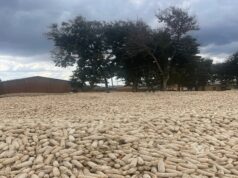
Zambia’s agricultural sector is reeling from the impact of a severe El Niño-induced drought, with over a million hectares of cropland devastated and maize yields plummeting by up to 40%. This unprecedented crisis, declared a national disaster by President Hakainde Hichilema, has sent shockwaves through the economy, with real GDP growth slowing significantly in the first half of 2024.
Recognizing the urgent need for resilient solutions, a recent workshop convened by Accelerating Impacts of CGIAR Climate Research for Africa (AICCRA) brought together key stakeholders to explore innovative approaches to mitigating future shocks. The focus was on leveraging cutting-edge tools such as Crop Decision Trees (CDTs) and the Zambia National Crop Monitor.
CDTs provide farmers with location-specific, data-driven recommendations for adapting to climate risks, while the crop monitor leverages advanced remote sensing technology to enhance agricultural monitoring and early warning systems. By integrating these tools into agricultural practices, Zambia aims to empower farmers with the knowledge and resources to navigate future climate challenges and ensure food security for its population.
The workshop served as a crucial platform for stakeholders to discuss the potential of these innovative solutions and explore how they can be effectively implemented within the Zambian context. As the country grapples with the aftermath of this devastating drought, the need for robust and sustainable agricultural practices has never been more critical.