In Katete, climate resilience is no longer a concept discussed in conference rooms, it’s something farmers are building with their own hands, season by season.
At the Water and Soil Accelerator (WASA) Project Field Day on 15 April 2026, smallholder farmers stepped forward not as beneficiaries but as problem-solvers by demonstrating how better soil care, smarter water use and timely climate data are quietly transforming how they farm.
Hosted by Solidaridad and the International Water Management Institute (IWMI), the gathering brought together farmers, researchers and policymakers under the theme “Soil, Water and Resilience: Climate-Smart Farming for Thriving Communities”. Beyond the speeches, it was the lived experience in the fields that defined the day.
Across Zambia, erratic rainfall and tired soils have made farming increasingly unpredictable. What’s changing in places like Katete is not just access to new tools but a shift in confidence. “Farmers across the country are facing unpredictable rainfall and declining soil fertility. Through the Water and Soil Accelerator (WASA) project, we are supporting communities with practical solutions that restore soils, improve water access and provide farmers with the information they need to make better decisions in a changing climate,” said Pamidzai Bota, Regional Programme Manager at Solidaridad.
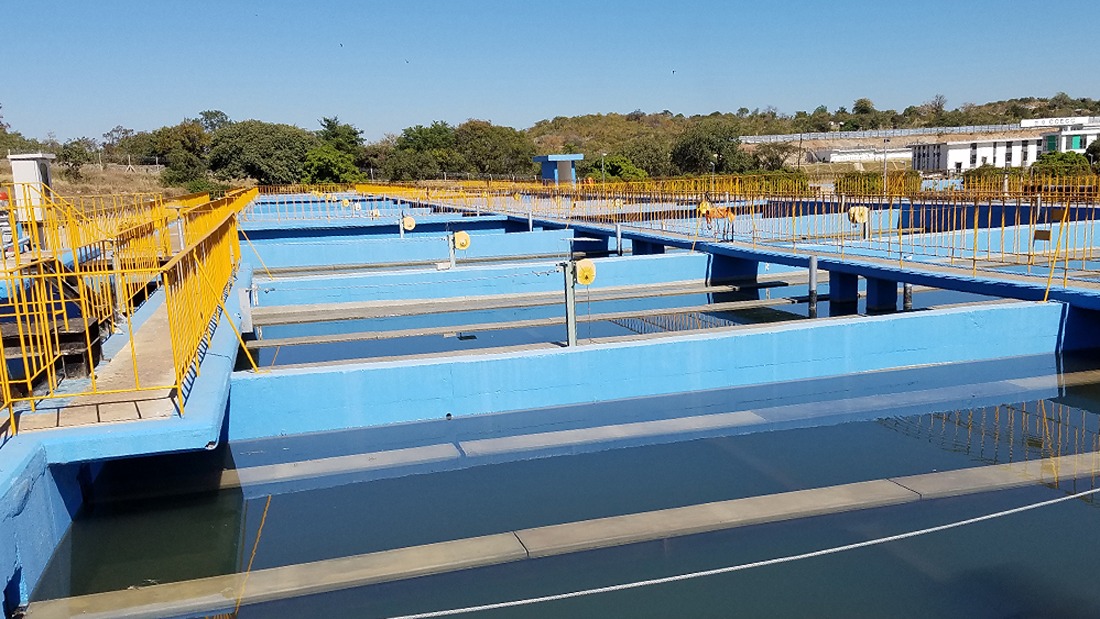
On demonstration plots, farmers showcased biochar production, turning organic waste into a soil-enhancing resource that locks in moisture and nutrients. Nearby, a two-million-litre community reservoir stood as a buffer against dry spells, offering a reliable water source where rainfall can no longer be trusted.
Yet, some of the most profound changes are happening off the field on mobile phones. Through digital advisory platforms, farmers now receive localised weather forecasts and early warnings that help guide planting decisions and input use. It’s a shift from intuition to information.
“The early warning messages we receive through the digital platforms have made a big difference in how we plan our farming activities. Before, we relied on guesswork, but now we are able to prepare for dry spells and make informed decisions on planting and input use. This has reduced our risks and improved our confidence as farmers,” said Adamson Zulu, a smallholder farmer from Katete District.
For researchers like Ojong Enokenwa Baa of IWMI, the lesson is clear, that resilience doesn’t come from isolated interventions but from connecting the dots between water, soil and knowledge. “Water is central to resilient agriculture. By combining improved soil management with sustainable water solutions and digital climate information, we are helping farmers manage risks and protect their livelihoods,” said Baa.
The WASA project, which targets 75,000 farmers across Eastern, Central and Southern Zambia, is built on that integrated approach of linking regenerative practices, infrastructure and information systems into a single resilience framework. Perhaps the most striking takeaway from Katete is less about technology and more about agency. Farmers are no longer waiting for solutions, they are testing, adapting and sharing them. In a region where climate shocks are becoming the norm, that shift from vulnerability to ownership may prove to be the most important innovation of all.