Senior government technocrats from across Africa have delivered a frank assessment of the continent’s agricultural transformation agenda: the policies exist, the strategies are in place and the targets are set. What is missing is the will and the mechanisms to deliver them.
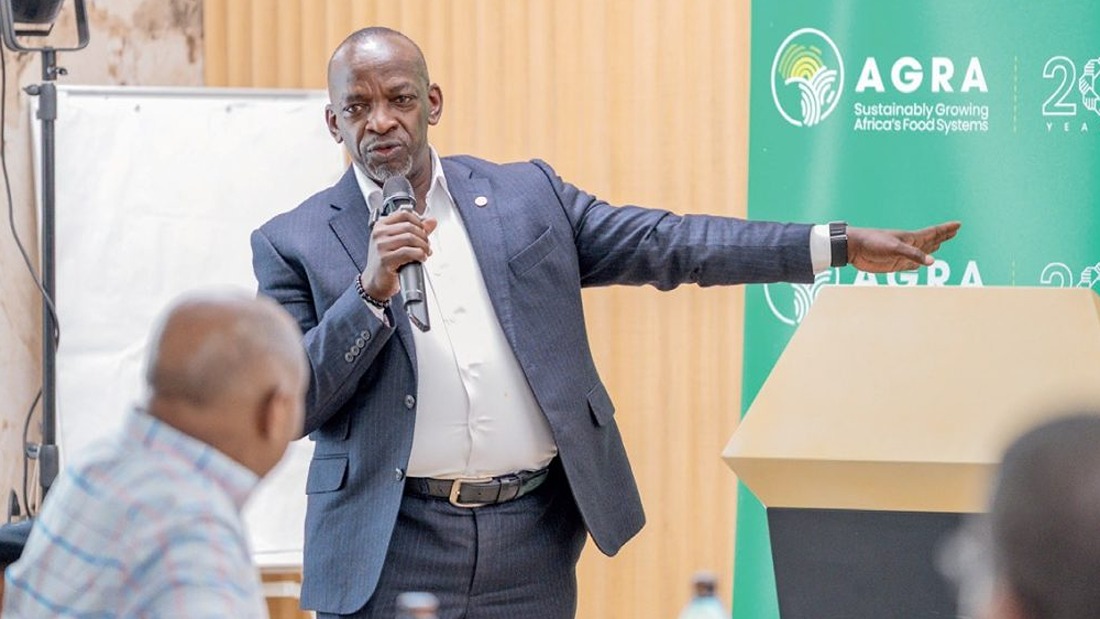
The warning came at a high-level meeting in Limuru, Kenya, convened by the Alliance for a Green Revolution in Africa in partnership with the Kenyan government, where Permanent Secretaries responsible for agriculture gathered to assess progress on implementing continental agricultural commitments. At the centre of discussions was the Comprehensive Africa Agriculture Development Programme 2026–2035 framework, a key continental strategy aimed at achieving food security, building resilience and transforming Africa’s food systems.
Agra President Alice Ruhweza was unequivocal. “The problem is not policy or strategy. It is implementation,” said Ruhweza, pointing to weak financing, poor coordination and fragmented institutions as the primary barriers. Agra, marking 20 years of operations, is shifting its focus towards supporting governments to deliver results on the ground, particularly for smallholder farmers.
Kenya’s Principal Secretary for Agriculture, Kipronoh Ronoh, said his country is already aligning its national agricultural strategy with continental priorities. Zambia’s Chizumba Shepande stressed that senior officials must take personal responsibility for translating policy into action, whilst Senegal’s Ousman Mbaye called for stronger cross-country collaboration and shared learning platforms to help governments scale successful models.
The consensus was uncomfortable but necessary, that African economies are losing out through chronic underinvestment in agriculture, with compounding costs in missed job creation, trade opportunities and industrial growth. The Limuru meeting was not another policy discussion, it was a reckoning with the distance between ambition and execution.