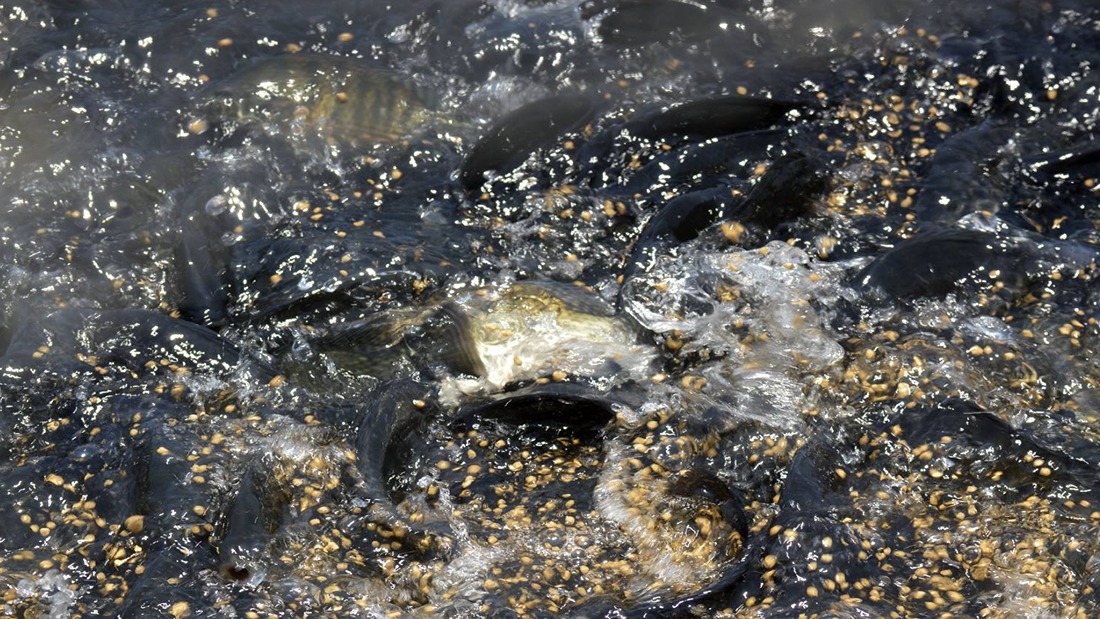
A government-funded initiative aimed at boosting small-scale cage fish farming in Zambia’s Siavonga District is facing significant challenges, with many farmers struggling to achieve profitability and sustain their operations.
The program, designed to empower local communities and enhance food security, has been plagued by several issues. An assessment of the initiative highlights a disconnect between the program’s goals and its execution on the ground.
Key challenges include a lack of consistent government support, which has left many farmers without essential resources and technical guidance. Additionally, farmers are grappling with high operational costs, including expensive feed and equipment, which erode profit margins. The study also found that poor disease management and inadequate market access are hindering the growth of these small businesses.
Despite these hurdles, the report identifies significant opportunities for growth. With its strategic location on Lake Kariba, Siavonga has the potential to become a regional hub for aquaculture. By implementing a more holistic approach that includes providing farmers with access to affordable inputs, technical training, and stable markets, the government can help these small-scale ventures succeed.
The findings underscore the need for a more sustainable and well-supported framework for aquaculture development in Zambia. Without a change in strategy, the program risks leaving farmers in a precarious financial position and failing to achieve its long-term objectives.